Celebrate the Awardees
Coming February 2026
Honoring Our Origins
The first appointed members of the California Arts Council were trailblazers and visionaries who laid the foundation for all of the work the agency has lead these past 50 years.
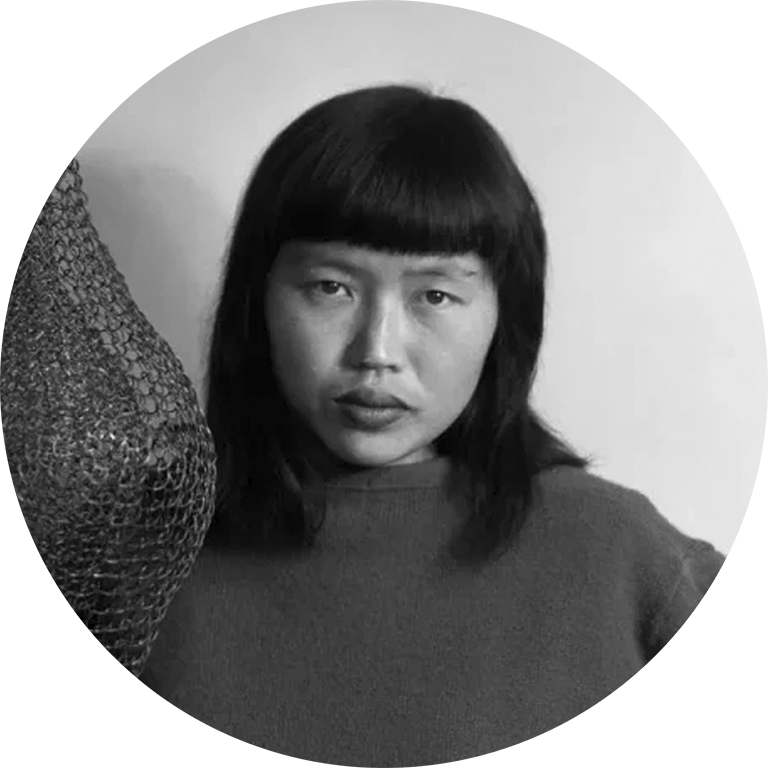
Ruth Asawa
Ruth Asawa
Ruth Asawa (1926-2013) was an American artist, educator, and advocate, celebrated for wire sculptures that emphasized lightness and transparency. Despite facing early adversity, including detention in a Japanese American incarceration camp in 1942, she persistently pursued her education. She found a highly formative artistic environment at Black Mountain College in North Carolina, where she was influenced by notable figures like Josef Albers, Max Dehn, and Buckminster Fuller.
Over a prolific half-century career in San Francisco, Asawa created a cohesive body of sculptures and works on paper. Her artwork has been exhibited at major global institutions, including solo exhibitions at the Whitney Museum of American Art and the 59th Venice Biennale.
Beyond the studio, Asawa is renowned for beloved public commissions, including the Andrea and San Francisco Fountains. Deeply committed to arts education, she co-founded the Alvarado School Arts Workshop and helped establish San Francisco's first public arts high school. Among numerous honors, she received a posthumous National Medal of Arts in 2024.
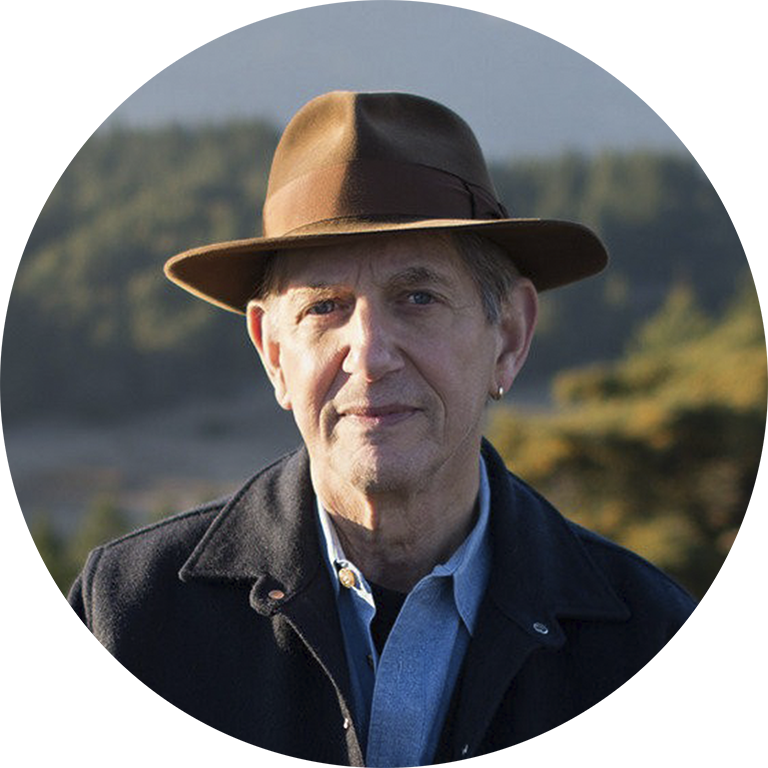
Peter Coyote
Peter Coyote
Peter Coyote (b. 1941) is an acclaimed actor, author, and Zen priest whose career has bridged radical counterculture and mainstream artistic excellence. Emerging from the San Francisco Mime Troupe and co-founding the anarchist community group The Diggers in the 1960s, Coyote transitioned into public service as an original member of the California Arts Council in 1976. Appointed by Governor Jerry Brown, he served as the Council’s chairman from 1977 to 1979, during which time he successfully fought to increase the agency’s budget from $1 million to $13 million, championing the arts as a vital public resource.As a performer, Coyote is perhaps most recognized for his role as the scientist "Keys" in Steven Spielberg’s E.T. the Extra-Terrestrial (1982) and his prolific work as a narrator for over 200 documentaries, including many of Ken Burns's landmark series. His distinctive voice has earned him multiple Emmy Awards, including one for The Roosevelts: An Intimate History (2014). Beyond the screen, he is a celebrated author of memoirs such as Sleeping Where I Fall and was ordained as a Zen priest in 2015, continuing to integrate his spiritual practice with a lifelong commitment to political and environmental activism.
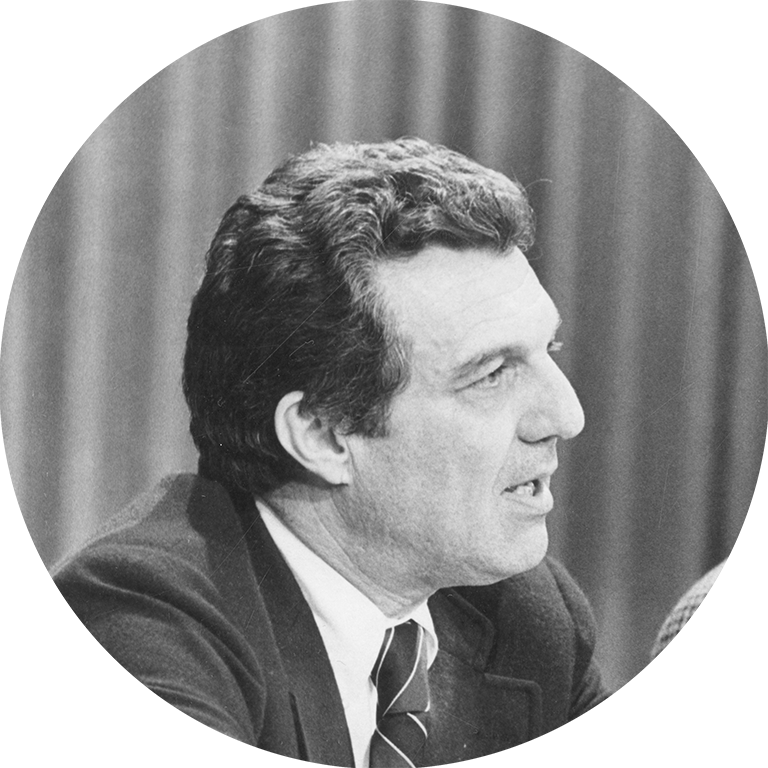
Karney Hodge
Karney Hodge
"Karney Hodge (1922–2002) was a distinguished public servant, arts advocate, and Fresno native whose life was defined by a deep commitment to civic duty. A standout athlete at Fresno High and a U.S. Navy veteran, Hodge balanced his early career between his family business, Hodge & Sons, and playing semi-professional baseball while attending Fresno State. His trajectory into public service began with an appointment to the Fresno Planning Commission, a role that catalyzed decades of leadership, including tenures as President of the Fresno Philharmonic and Chairman of the Meux Home restoration.
Hodge’s influence extended well beyond his hometown, serving under three California governors as the Chairman of the Arts Council and Director of the Housing Finance Agency. At the national level, his expertise was recognized through appointments to the National Endowment for the Arts music panel and the Federal Home Loan Bank of San Francisco. Remembered as a champion for both housing and the arts, he is survived by his wife, Marilyn, and a large, loving family who continue to honor his legacy of community transformation."
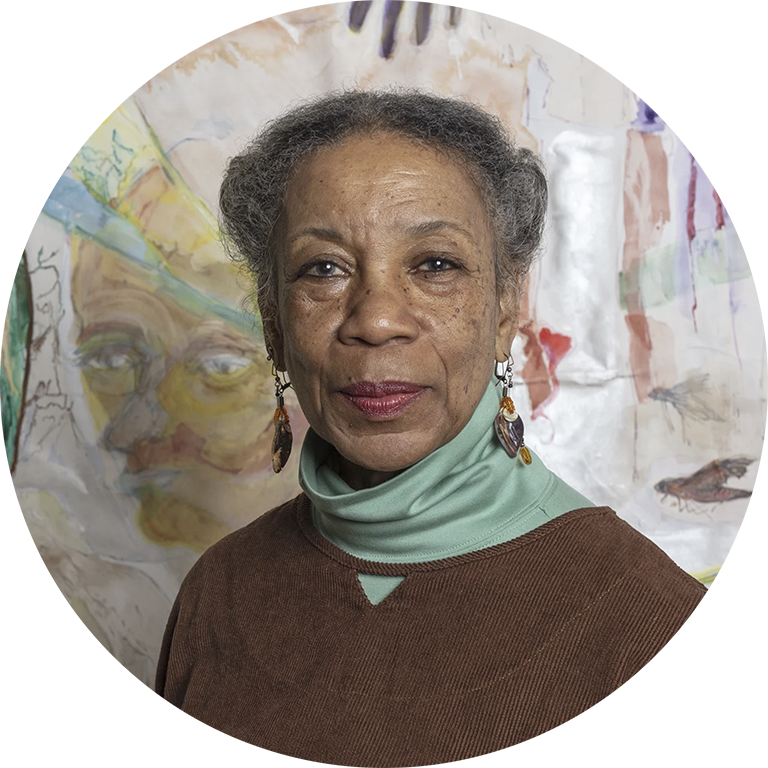
Suzanne Jackson
Suzanne Jackson
Suzanne Jackson (born 1944 in St. Louis) is a celebrated American artist with an expansive five-decade career encompassing painting, printmaking, theater design, drawing, and dance. Raised in San Francisco and pre-statehood Alaska, she moved to Los Angeles in 1967, and later founded the influential Gallery 32, which she ran from her Echo Park studio between 1968 and 1970. During this vibrant period, she engaged with a prominent community of peer artists and produced lyrical, ethereal paintings uniquely characterized by multiple layers of acrylic wash.
Currently based in Savannah, Georgia, Jackson continues to innovate her practice. Her recent "environmental abstractions" are constructed from layered pure acrylic and creatively integrate prosaic materials like netting, leather, loquat seeds, and bamboo. Hand-manipulated techniques such as pleating and crimping give these works a luminous, three-dimensional transparency.
Holding a 1990 MFA from Yale University, Jackson's impact is recognized through major accolades like the 2024 Helen Frankenthaler Award, and exhibitions at premier institutions including the Museum of Modern Art, the Art Institute of Chicago, and the Whitney Biennial.
Alexander Mackendrick
Alexander Mackendrick
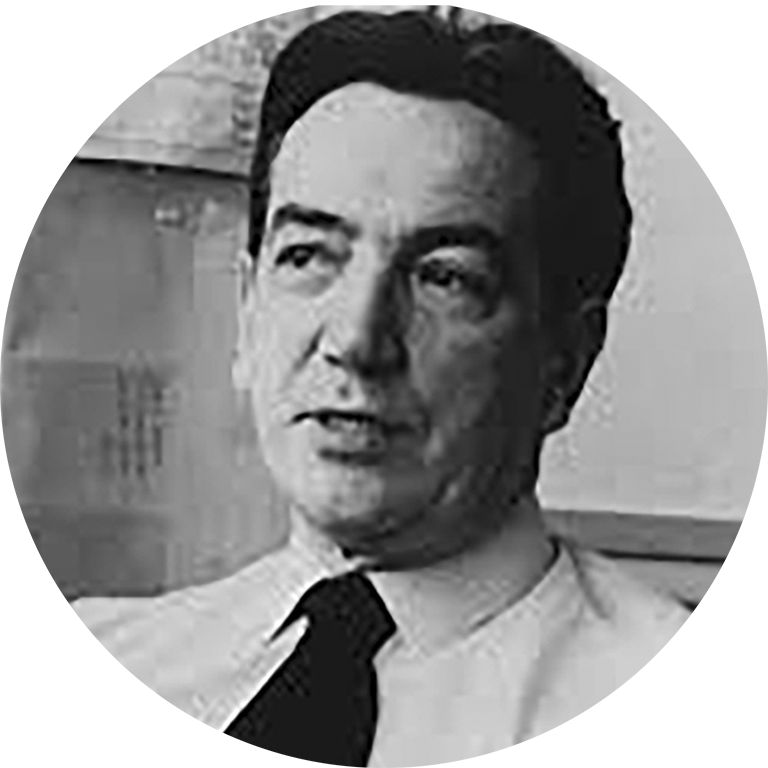
Alexander Mackendrick (1912–1993) was a Scottish-American film director and educator who served as one of the original members of the California Arts Council upon its establishment in 1976. Appointed by Governor Jerry Brown, he was part of a foundational group of visionary artists tasked with shaping the state’s cultural policy and promoting arts equity during the agency’s formative years.Before his tenure in public service, Mackendrick earned international acclaim as a director for Ealing Studios, helming British classics such as The Ladykillers (1955) and the cynical Hollywood masterpiece Sweet Smell of Success (1957). In 1969, he retired from professional filmmaking to become the founding Dean of the School of Film/Video at the California Institute of the Arts (CalArts).His contribution to the California Arts Council reflected his deep-seated belief in the pedagogy of film and the necessity of rigorous craft in the arts. Mackendrick spent the final decades of his life in Los Angeles, where his teachings on "film grammar" and dramatic construction influenced a generation of American filmmakers.
William Allaudin Mathieu
William Allaudin Mathieu
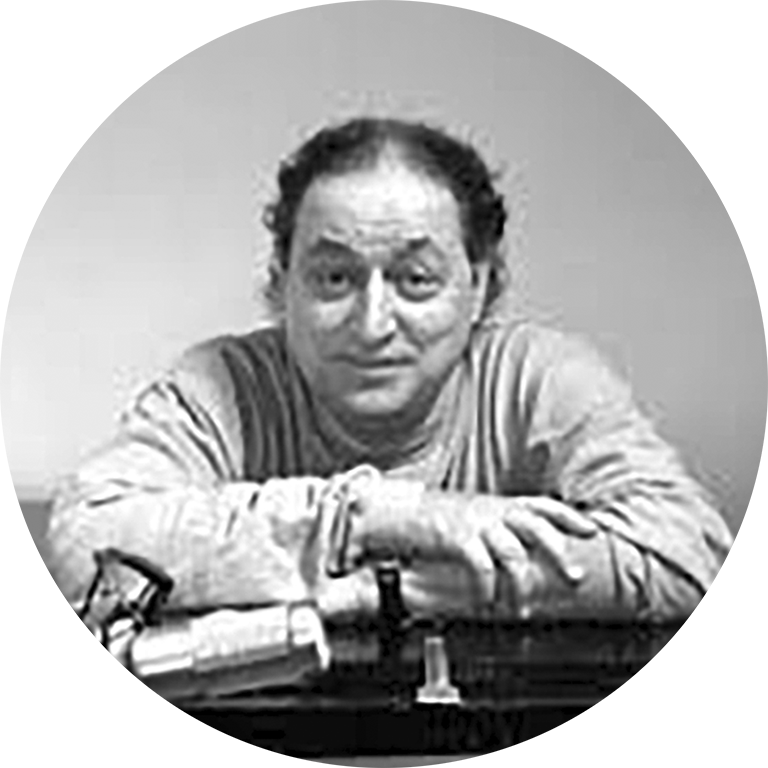
William Allaudin Mathieu is a renowned composer, pianist, and educator celebrated for blending jazz, classical, and world music. His distinguished career began as a prodigious arranger for the Duke Ellington and Stan Kenton orchestras, later serving as the founding musical director for the improvisational theater troupe The Second City. Relocating to San Francisco, Mathieu immersed himself in the avant-garde and spiritual music scenes, collaborating with minimalist pioneers and founding the Sufi Choir.
In 1976, Governor Jerry Brown appointed him as an original member of the California Arts Council, where he helped establish the state's support framework for diverse artistic expression. Mathieu's profound influence extends into music pedagogy through his teaching at Mills College and the San Francisco Conservatory of Music, as well as his seminal publications, The Listening Book and Harmonic Experience. These essential texts champion a holistic understanding of harmony and intentional listening. Honored by the California Arts Council in 2026 for fifty years of creative excellence, Mathieu's enduring legacy lies in seamlessly bridging technical mastery with deep spiritual inquiry.
Noah Purifoy
Noah Purifoy
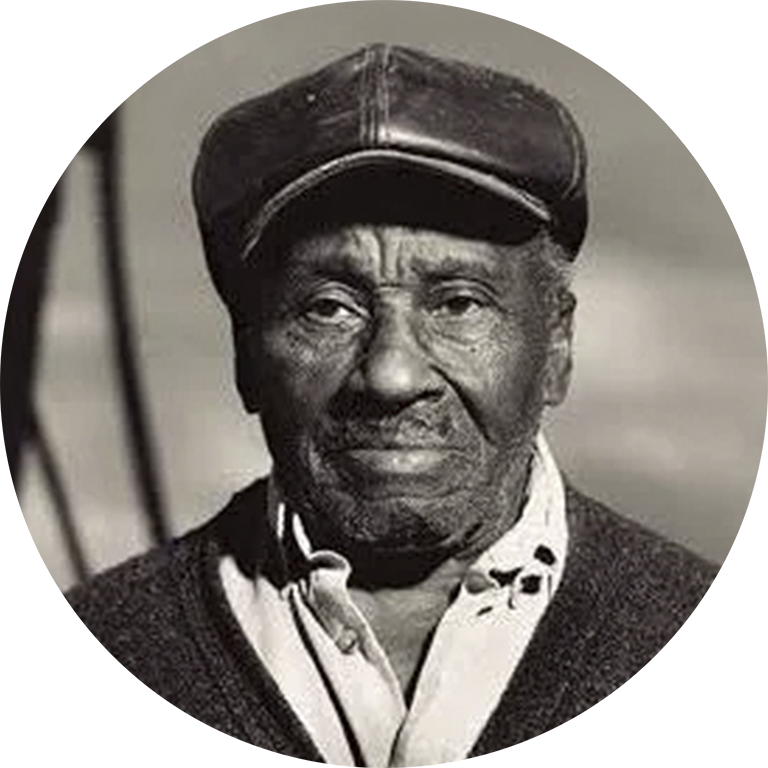
Noah Purifoy (1917–2004) was a foundational figure in the California assemblage movement and a passionate advocate for art as a tool for social change. Born in Alabama and later based in Los Angeles, Purifoy’s career was ignited by the 1965 Watts Rebellion; he collected three tons of charred debris from the aftermath to co-create the landmark exhibition 66 Signs of Neon. As the founding director of the Watts Towers Arts Center, he dedicated himself to community-based art, influencing a generation of Black artists by transforming "junk" into powerful statements on consumerism and social injustice.In 1976, Purifoy became an original member of the California Arts Council, where he spent over a decade developing pioneering programs that brought art into state prisons and social institutions. In his later years, he moved to the Mojave Desert to create his magnum opus: the Noah Purifoy Outdoor Desert Art Museum. Spanning ten acres in Joshua Tree, this vast environmental installation features over 100 large-scale sculptures made from discarded materials, standing as a living testament to his belief that the creative process is a lifelong, transformative act
Gary Snyder
Gary Snyder
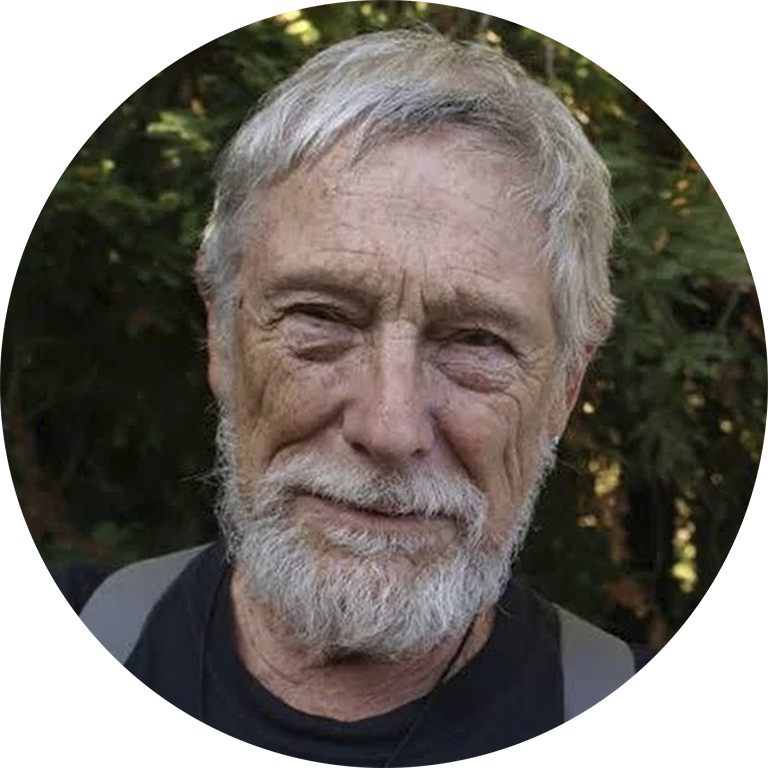
Gary Snyder is a towering figure in American letters, celebrated for an artistic body of work that synthesizes Zen Buddhist practice, Native American lore, and rigorous ecological scholarship. Emerging as a key voice of the Beat Generation during the legendary 1955 Six Gallery reading, his poetry is characterized by what critics describe as a "simplicity of style and complexity of effect." Over seven decades, Snyder has championed the concept of "bioregionalism", the idea that human culture should be rooted in the specific biological and geographical realities of its home landscape, a philosophy he has practiced personally at his off-the-grid homestead, Kitkitdizze, in the Sierra Nevada foothills.His literary and civic contributions have earned him nearly every major accolade in his field. Most notably, his 1974 collection, Turtle Island, was awarded the Pulitzer Prize for Poetry, cementing his role as the "poet laureate of Deep Ecology." His expansive, forty-year poem cycle, Mountains and Rivers Without End, earned the Bollingen Prize in 1997, and he has been further honored with the Ruth Lilly Poetry Prize, the Wallace Stevens Award, and the Robert Kirsch Lifetime Achievement Award. Beyond the page, Snyder’s legacy includes his foundational role as an original member of the California Arts Council, where he helped shape the state’s cultural policy under Governor Jerry Brown, and his influential tenure as a professor at UC Davis, where he established the innovative Nature and Culture program.
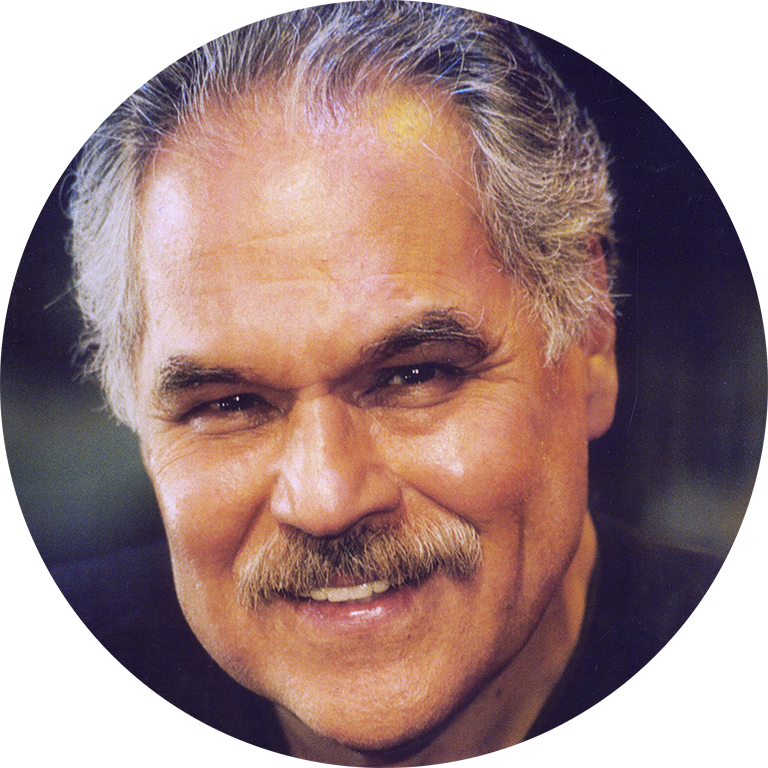
Luis Valdez
Luis Valdez
Since its inception, El Teatro Campesino and its founder and artistic director, Luis Valdez, have set the standard for Latino theatrical production in the United States. Founded in 1965 on the Delano Grape Strike picket lines of Cesar Chavez’s United Farmworkers Union, the company created and performed “actos” or short skits on flatbed trucks and in union halls. For the company’s 50th anniversary in 2015, ETC’s operations embraced its intersecting work across three programming areas: Professional Arts, Arts Education, and Community Arts. Through delivery and continued expansion of programs in these core areas, ETC’s current generation of leaders and innovators remains passionate and committed to artistic excellence, vibrant education, and the pursuit of social justice.
Awarding Achievement
Join us in celebrating the inaugural awardees for their significant contributions to the artistic, cultural and creative landscape of California.
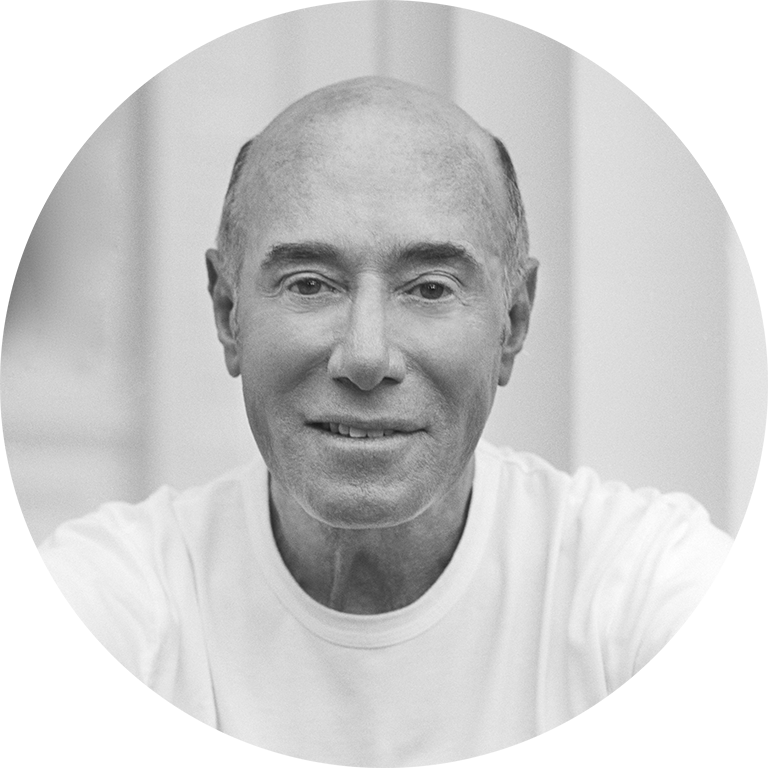
David Geffen
Arts Leader
David Geffen
David Geffen has shaped Los Angeles culture by championing artists like Joni Mitchell, the Eagles and Jackson Browne. As a producer and studio force, he bridged Hollywood, music, and art, helping to turn L.A. into a crossroads for creative ambition and cross-disciplinary talent. Through transformative philanthropy to institutions such as MOCA, the Academy Museum, the Geffen Playhouse, and LACMA—where his gift stands as the largest in the museum’s history—he has strengthened the artistic infrastructure of Los Angeles as boldly as he once supported its artists.

Mildred Howard
Artist
Mildred Howard
Mildred Howard is an acclaimed Berkeley-based artist whose sculptures, glass installations, and assemblages explore memory, identity, and social justice. Over five decades, her work has graced public spaces across California—from BART stations to civic plazas—transforming everyday environments into sites of reflection and belonging. A beloved educator and community advocate, Howard has mentored generations of artists and championed equity in the arts. Through her powerful visual language and civic engagement, she has profoundly shaped California’s cultural landscape and advanced its values of creativity, inclusion, and resilience.
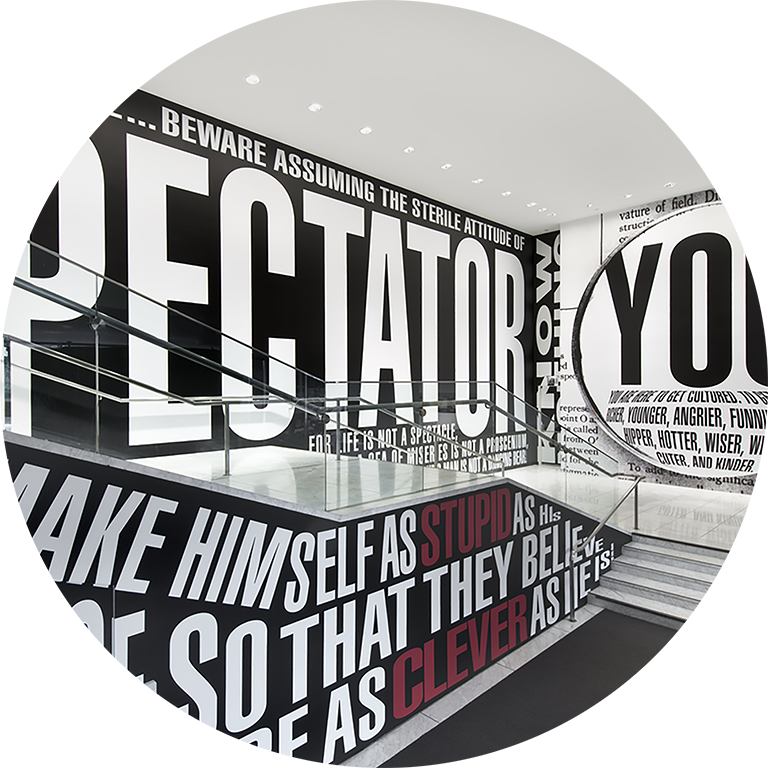
Barbara Kruger
Artist
Barbara Kruger
Barbara Kruger is a well-known artist representing California. Her critical, feminist, and anti-consumerist art, characterized by bold text over found images, deeply critiques power, gender, and capitalism, resonating with California's complex cultural landscape. Kruger has been a prominent figure throughout California, teaching at UCLA and creating iconic site-specific works and multi-channel videos for LA institutions such as the Museum of Contemporary Art, the Hammer Museum and Los Angeles County Museum of Art, directly engaging with the state's unique social issues.
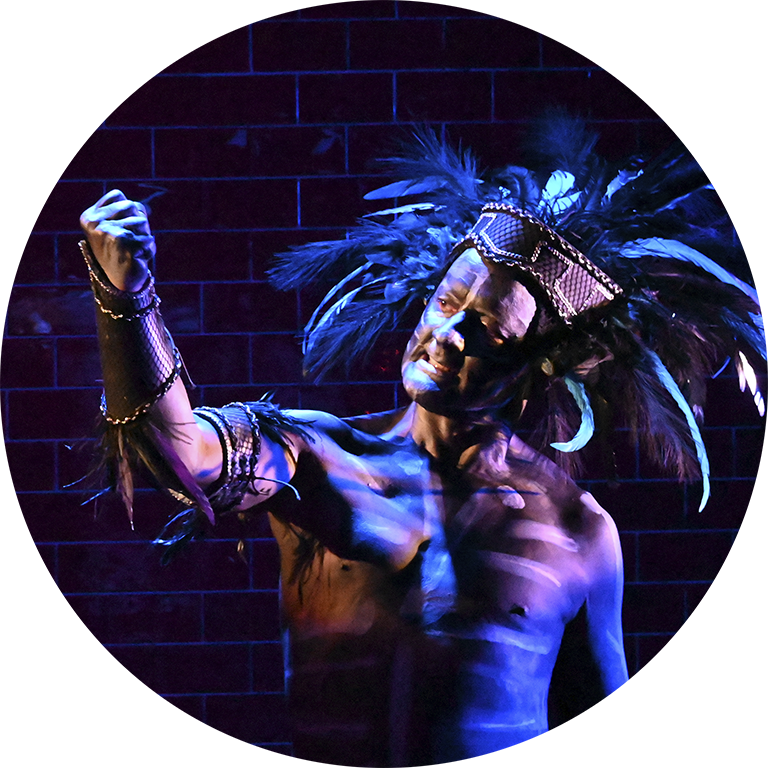
Magic Theatre
Arts Organization
Magic Theatre
The Magic Theatre has been producing cutting edge theatre in San Francisco since 1967. It has been the birthplace of many important plays that have gone on to be staged around the world. At the moment it is under the direction of Sean San José and is centering its work on Indigenous, Black, people of color and those who have been othered to foster inclusivity within the Bay Area's performing arts scene.
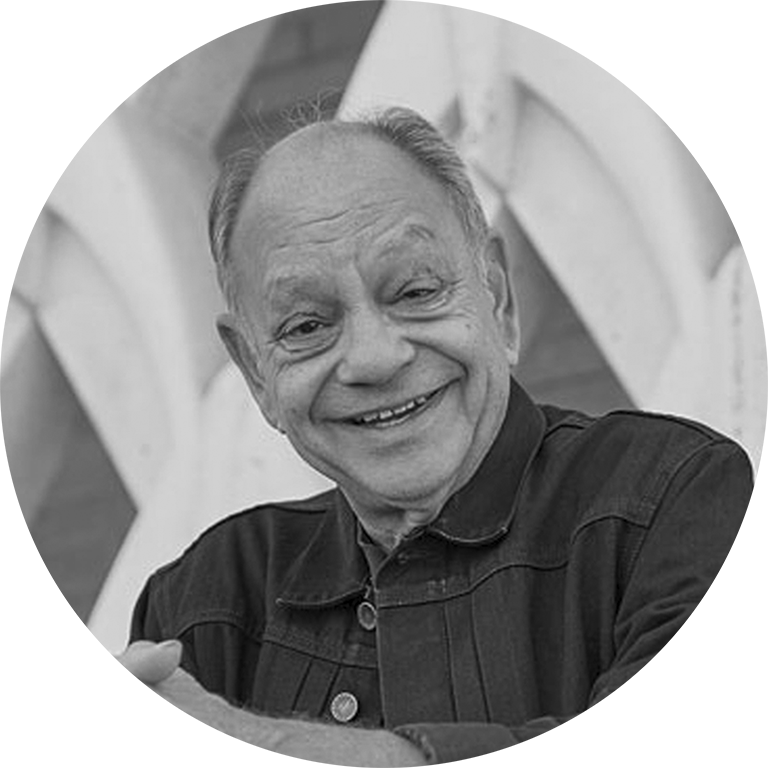
Cheech Marin
Artist
Cheech Marin
Cheech Marin is an actor, director, writer, musician, art collector, humanitarian and a multi-generational talent. A cultural icon, he is perhaps best known as one half of the hilariously irreverent, satirical, counterculture comedy duo Cheech & Chong, and recognized for his successful solo work in film and television. Today, Cheech Marin is also recognized as a preeminent advocate for Chicano art. Since the mid-1980s, he has developed what is arguably the finest private collection of Chicano art, which now serves as the core collection of The Cheech Marin Center for Chicano Art & Culture of the Riverside Art Museum founded in 2022.
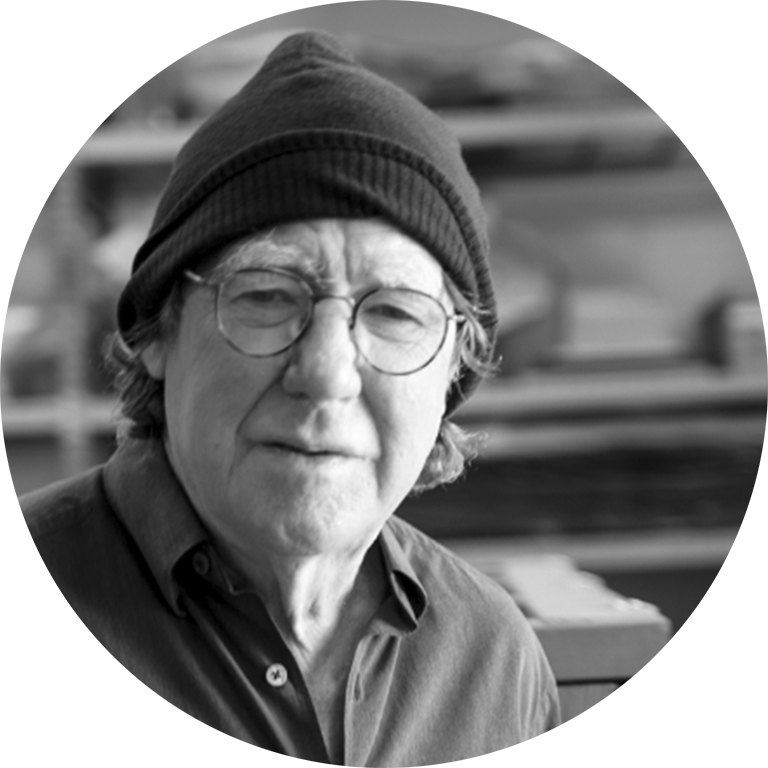
Charles Ray
Artist
Charles Ray
Charles Ray is a defining California artist whose rigorous, often uncanny sculpture has reshaped contemporary practice. His work merges technical mastery with conceptual clarity, pushing the medium into new psychological and spatial territory. As a longtime UCLA professor, he shaped generations of artists, instilling discipline, curiosity, and material fearlessness that helped form L.A.’s artistic identity. Internationally acclaimed, Ray remains one of the most important sculptors of his era, with a legacy deeply tied to California’s spirit of experimentation.

Sage Romero
Arts Leader
Sage Romero
Sage Romero, a member of the Big Pine Paiute and Taos Pueblo tribes, is a cultural leader, artist, and educator dedicated to preserving and sharing Native traditions across California and beyond. Through his nonprofit, AkaMya Culture Group, he empowers Native youth and families through dance, storytelling, and art, promoting cultural pride and wellness. A master hoop dancer, filmmaker, and founder of Sage Smoke Studios, Sage bridges traditional and modern media to celebrate Indigenous identity. His community leadership, mentorship, and international cultural advocacy make him an inspiring ambassador and a vital contributor to California’s cultural and civic engagement.

San Jose Taiko
Arts Organization
San Jose Taiko
Since 1973, San Jose Taiko has captivated global audiences with the powerful sounds of the taiko. San Jose Taiko has become a world-class ensemble, performing extensively both nationally and internationally, reaching more than 60,000 audience members each year.
San Jose Taiko is acknowledged as one of the premier taiko ensembles in the world, whose artistry, philosophy, and unique organizational structure are studied and emulated by many arts groups throughout the U.S. and Japan. The National Endowment of the Arts, the California Arts Council, Silicon Valley Creates (fka Arts Council Silicon Valley), and the San Jose City Council have all honored San Jose Taiko and its artists with commendations for community leadership in fostering cultural and ethnic diversity in the arts.
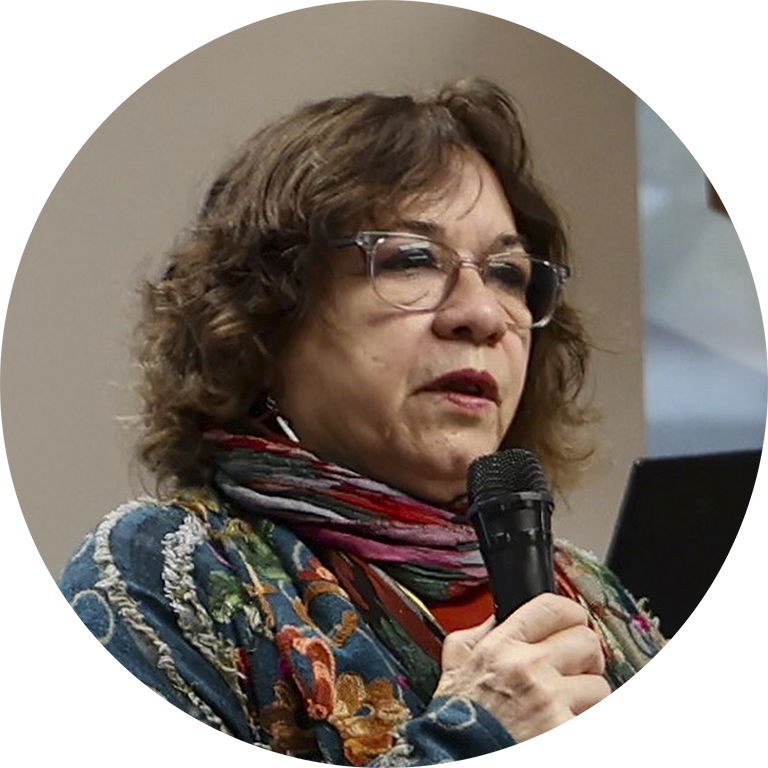
Josie Talamantez
Arts Leader
Josie Talamantez
Josephine S. Talamantez (Chicana/Yaqui), is an Organizational Management, Public Policy and Governmental Relations consultant with a specialization in Arts, History and Cultural Public Programming, Historic Preservation, Cultural Resources and Public History. Founder and Board Chair—Chicano Park Museum and Cultural Center (CPM www.chicanoparkmuseum.com) San Diego, CA; Executive Board Alliance for California Traditional Arts (ACTA); Former Chief of Programs/ Legislative Liaison, California Arts Council, a State agency; Board Chair—Capitol Area Indian Resources, Inc. (CAIR) Sac. CA; Executive Director, La Raza/Galeria Posada-Sac, CA and Centro Cultural de la Raza-San Diego—nonprofit arts organizations, CA; Past executive board member, National Association of Latino Arts and Culture (NALAC); and Founding member of Latinos in Heritage Conservation (LHC) a national organization. She has served as an Advisor to the California Office of Historic Preservation for the development of the Ca. Latino American Theme Study and Multiple Property Registration Form (MPRF.) Co-founder—Chicano Park & Chicano Park Steering Committee (CPSC), and member of the Royal Chicano Air force (RCAF). She authored Chicano Park and the Chicano Park Monumental Mural’s successful National Register nomination and co-authored its National Landmark nomination. She has a master’s degree in Public History focusing the Chicano civil rights era.
Luis Valdez
(El Teatro Campesino)
Arts Leader
Luis Valdez
Since its inception, El Teatro Campesino and its founder and artistic director, Luis Valdez, have set the standard for Latino theatrical production in the United States. Founded in 1965 on the Delano Grape Strike picket lines of Cesar Chavez’s United Farmworkers Union, the company created and performed “actos” or short skits on flatbed trucks and in union halls.
Thank you to our donors,
whose generosity makes this celebration possible!
Platinum
- Wyle & Bette Akin
Silver
- Danielle Brazell & Chilly Nathan
- Michael and Vicki Alexander
- Rick and Alison Stein
- Silicon Valley Creates
- Susan Steinhauser
Support and Patron
- K.D. Hatcher
- Leah Goodwin
- Local 7 American Federation of Musicians
- M Frances Davies
- Patrick Brien – Arts Council of Orange Co
- Phil Mercado
- Roxanne Messina Captor
- Roy Hirabayashi